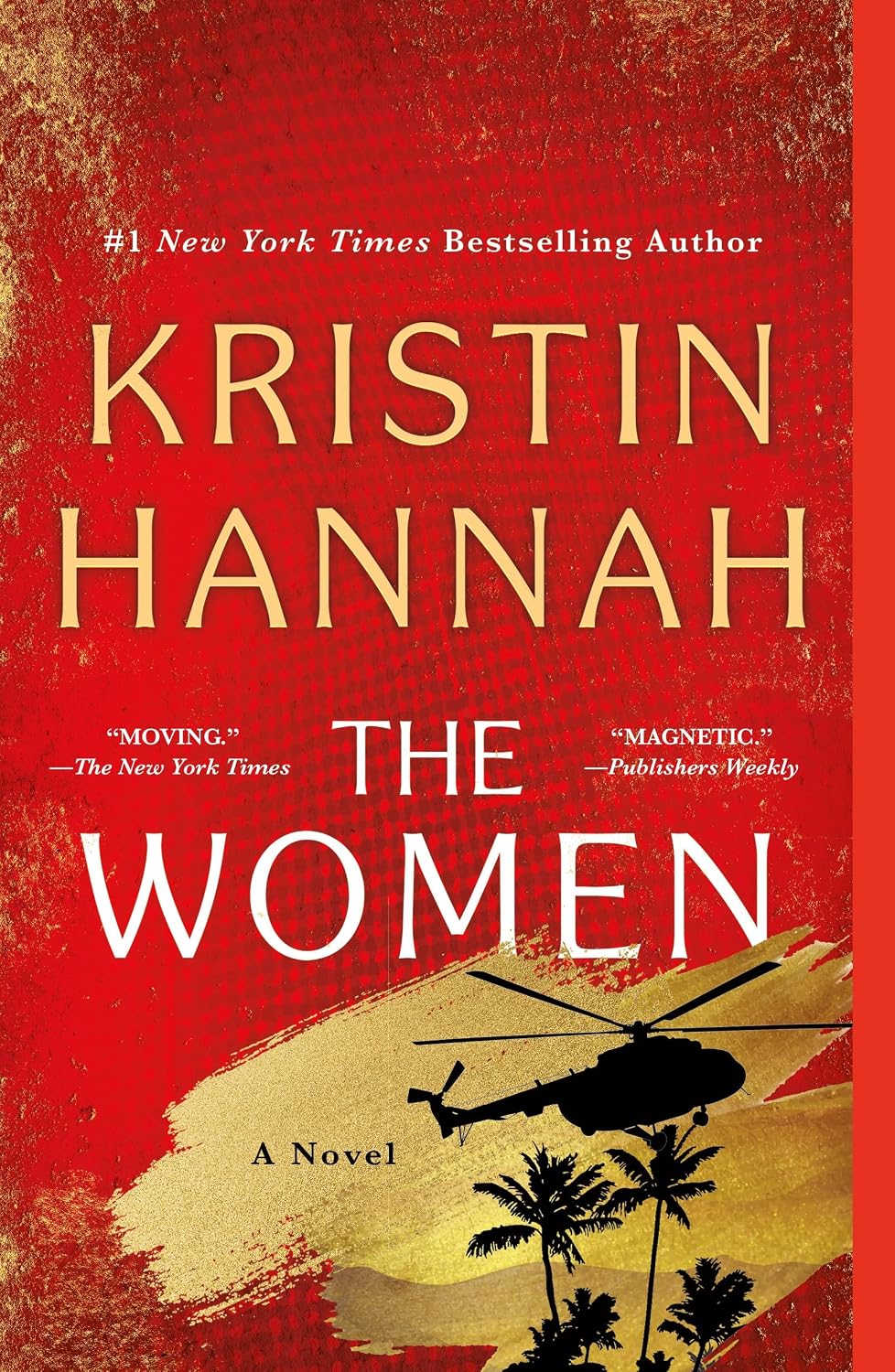
The Women
It is a strong book club pick for groups ready to discuss women's service, friendship, trauma, memory, and the long process of being seen after survival.
Thoughtful book club questions, spoiler-free reviews, and practical reading guides to help you choose the right book and host a conversation everyone can join.
Whether you're choosing next month's read or getting ready to lead tonight's meeting, Book Club Table gives you a simple place to start.
Start with some of our most popular book club picks, each one paired with discussion questions and a spoiler-free review.
It is a strong book club pick for groups ready to discuss women's service, friendship, trauma, memory, and the long process of being seen after survival.
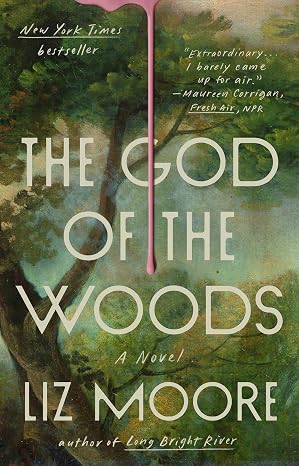
The God of the Woods is a strong book club pick for groups that enjoy literary mysteries with family secrets, class tension, and questions about who gets protected by power.
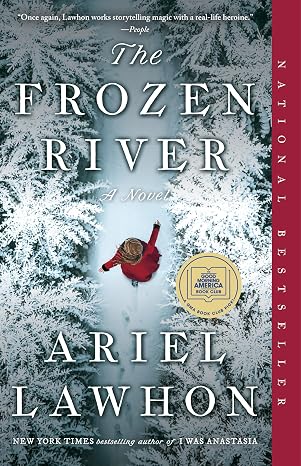
The Frozen River is an excellent book club pick for groups that enjoy historical fiction with moral tension, a strong sense of place, and big questions about truth, justice, and women's authority.
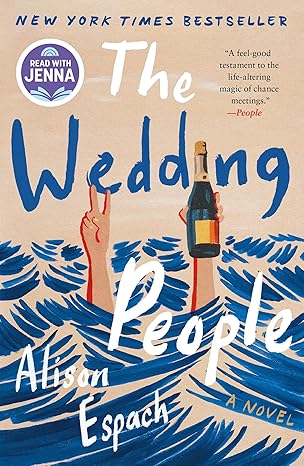
The Wedding People works well for book clubs that want an emotionally honest contemporary novel with humor, complicated women, and plenty to discuss about grief, friendship, marriage, and second chances.
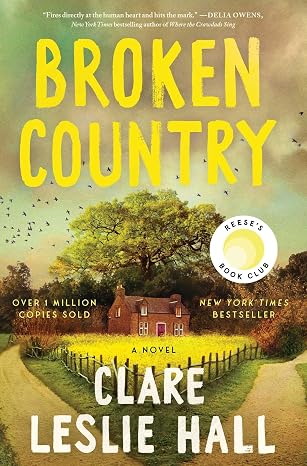
Broken Country is a strong book club pick for groups that enjoy emotionally charged historical fiction with romance, secrets, moral tension, and plenty of room for disagreement.
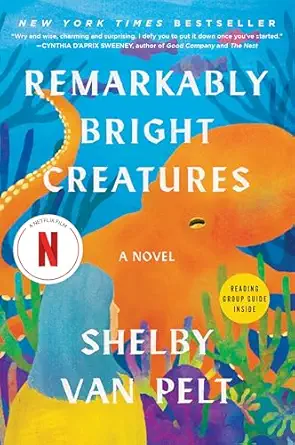
Remarkably Bright Creatures is a strong book club pick for groups that want a heartfelt, hopeful novel about grief, friendship, found family, and the quiet courage of beginning again.
A novel may have excellent reviews and still be a poor fit for your particular group. Some book clubs want an emotional historical novel that can carry a two-hour conversation. Others prefer a fast mystery, a warm family story, or something engaging enough for members who only have a few evenings to read.
Our book club reviews are designed around that decision. A great book club book doesn't have to be a book everyone loves. Some of the best conversations happen when one reader understands a character's decision and another strongly disagrees.
Browse Book Club ReviewsStart easy, then go deeper only if the group wants to.
Sometimes that's enough. Sometimes it leads to ten seconds of silence. Our book club questions are designed to help with the second situation.
Each discussion guide gives your group a mixture of easy opening prompts and deeper questions about characters, relationships, choices, themes, turning points, and the ending. The goal isn't to work through every question in order. It's to give the host enough good options to keep the conversation natural.
Find Questions for Your BookDifferent kinds of books create different kinds of discussions. Browse guides based on what your group enjoys reading most.
Women's lives, war, justice, memory, courage, and the tension between private experience and recorded history.
Browse guidesFriendship, identity, relationships, family expectations, and the choices women make at turning points in life.
Browse guidesClues, motives, trust, character decisions, and whether the ending delivered on what the story promised.
Browse guidesCharacter-driven novels where the best questions involve memory, identity, and endings that leave room for interpretation.
Browse guidesSiblings, parents, marriage, old resentments, hidden histories, loyalty, and the secrets families keep.
Browse guidesStart with our spoiler-free reviews. Look at discussion potential, emotional weight, content notes, and the readers most likely to enjoy the book.
Review pages stay spoiler-free so you can decide whether a book fits your group before anyone starts reading.
There's no reason to ask every question. Choose a few easy ones to start, keep character or plot questions ready, and save deeper prompts for later.
A useful question might ask whether a character made the right choice, when your opinion changed, or whether an ending earned its emotional impact. It can connect the story to your own experience without forcing anyone to share something deeply personal.
How does the author explore the theme of identity?
Which choice seemed to change her sense of who she was, and did you believe that change?
Practical guidance whether you're hosting for the first time or have been meeting with the same group for years.
Open the conversation, involve quieter members, handle disagreements, and move past awkward silences.
Read the guideFlexible prompts that work across many different novels when you need reliable conversation starters.
Read the guideConsider length, accessibility, emotional weight, genre, and discussion potential before your group commits.
Read the guideSimple food and drink ideas that make a meeting feel special without turning the host into a caterer.
Read the guideA memorable book club isn't necessarily the one that reads the most critically acclaimed books, it's the one where people want to come back next month.
Good book club questions are open-ended, specific to the book, and easy for more than one person to answer. They focus on character decisions, relationships, turning points, themes, reader reactions, and the ending rather than a single correct interpretation.
Most groups don't need every question in a guide. Start with two or three easy prompts and keep several deeper questions ready. A lively conversation may spend twenty minutes on one question and skip the next five entirely.
Questions for readers who have finished the book usually need spoilers to create meaningful discussion. Book Club Table keeps reviews spoiler-free and separates them from full discussion guides.
A strong pick gives readers something to react to, interpret, question, or disagree about. Memorable characters, difficult choices, layered relationships, emotional stakes, surprising developments, and debatable endings all create discussion potential.
No. A mixed reaction can create an excellent conversation. The important question isn't whether everyone gives the book five stars, but whether readers have enough to say about why the story worked or didn't work for them.
Begin with easy reaction questions rather than literary analysis. Ask which characters people connected with, what surprised them, where opinions changed, or whether a major decision felt believable.
Browse the Book Club Questions collection or search for the title. Each guide moves from opening reactions into characters, themes, plot, reflection, and deeper conversation.